Understanding the Streetwear Culture: A Deep Dive into Urban Fashion

Updated: Feb 14
The evolution of urban fashion has given rise to a powerful cultural phenomenon that transcends mere clothing. This movement is more than just a style; it is a form of self-expression, identity, and community. It reflects the values, struggles, and creativity of diverse groups, especially those who have historically been underrepresented. To truly appreciate this dynamic culture, it is essential to explore its roots, influences, and ongoing impact on fashion and society.

The Rise and Influence of Streetwear Culture
Streetwear culture emerged from the streets, skate parks, and music scenes of major cities around the world. It is deeply connected to youth culture, hip-hop, skateboarding, and graffiti art. This culture thrives on authenticity, originality, and a DIY spirit that challenges traditional fashion norms.
Brands that started as small, independent labels have grown into global icons by staying true to their roots. They often collaborate with artists, musicians, and designers to create limited-edition pieces that resonate with their audience. This approach has helped streetwear culture maintain its edge and relevance.
The influence of streetwear culture extends beyond clothing. It shapes attitudes, language, and social interactions. It encourages people to embrace their uniqueness and express their identity boldly. This culture also promotes inclusivity and diversity, celebrating different backgrounds and perspectives.

The Core Elements of Streetwear Culture
At its heart, streetwear culture is about more than just fashion trends. It embodies a lifestyle that values creativity, community, and cultural pride. Here are some core elements that define this culture:
Authenticity: Genuine expression and staying true to one’s roots are paramount.
Collaboration: Partnerships between brands, artists, and influencers fuel innovation.
Limited Releases: Scarcity creates demand and a sense of exclusivity.
Cultural References: Designs often incorporate elements from music, art, and history.
Comfort and Functionality: Practicality is as important as style, with hoodies, sneakers, and graphic tees being staples.
These elements combine to create a culture that is constantly evolving yet deeply rooted in its origins.
What is defined as streetwear?
Understanding what qualifies as streetwear can be complex because it blends various influences and styles. Generally, streetwear includes casual, comfortable clothing that draws inspiration from urban life and youth culture. Key items often associated with streetwear include:
Graphic T-shirts and Hoodies: Featuring bold logos, artwork, or slogans.
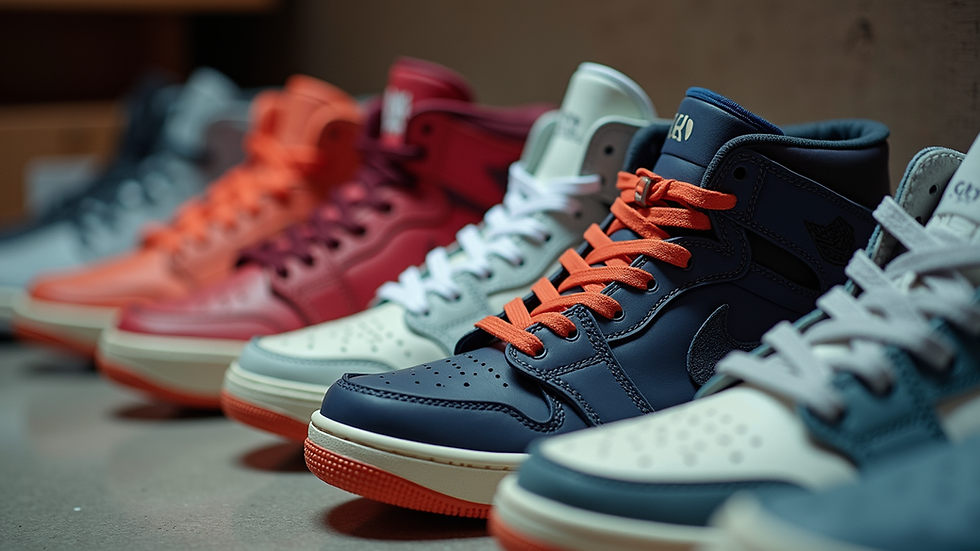
Sneakers: Often limited-edition or collaborations with designers.
Caps and Beanies: Accessories that add personality and flair.
Denim and Cargo Pants: Durable and versatile bottoms.
Outerwear: Bomber jackets, windbreakers, and varsity jackets.
Streetwear is not just about the clothes but how they are worn and combined. Layering, mixing high-end pieces with street brands, and customizing garments are common practices. This flexibility allows individuals to create unique looks that reflect their personal style and cultural identity.
How Streetwear Empowers Identity and Representation
Fashion has always been a powerful tool for self-expression, and streetwear culture amplifies this by giving voice to communities that have often been marginalized. It allows individuals to showcase their heritage, beliefs, and creativity through what they wear.
At Melanated Concepts, the focus is on empowering melanated culture by offering fashion and lifestyle products that celebrate confidence and identity. This approach aligns perfectly with the ethos of streetwear culture, which values representation and authenticity.
By embracing streetwear, people can challenge stereotypes and redefine beauty standards. The movement encourages pride in one’s roots and promotes a sense of belonging. It also fosters a supportive community where creativity and individuality are celebrated.
Practical Tips for Embracing Streetwear Style
For those looking to incorporate streetwear into their wardrobe, here are some actionable recommendations:
Start with Basics: Invest in quality graphic tees, hoodies, and sneakers that can be mixed and matched.
Focus on Fit: Streetwear often emphasizes relaxed, comfortable fits, but tailoring can add a polished touch.
Layer Creatively: Experiment with layering different textures and lengths to add depth to your outfit.
Accessorize Thoughtfully: Caps, beanies, and statement jewelry can elevate your look.
Support Authentic Brands: Choose brands that align with your values and have a genuine connection to the culture.
Customize: Personalize your pieces with patches, pins, or DIY alterations to make them uniquely yours.
By following these tips, you can build a versatile and expressive wardrobe that reflects the spirit of streetwear culture.
The Future of Streetwear Culture and Its Impact
As streetwear culture continues to grow, it is influencing mainstream fashion and global markets. High fashion designers are collaborating with streetwear brands, blurring the lines between luxury and urban style. This fusion is creating exciting new opportunities for creativity and innovation.
Technology is also playing a role, with digital platforms enabling brands to reach wider audiences and create immersive experiences. Virtual fashion shows, NFT collectibles, and online communities are shaping the future of how streetwear is consumed and celebrated.

Despite its commercial success, the essence of streetwear culture remains rooted in community, creativity, and cultural pride. It will continue to be a powerful force for self-expression and representation, inspiring new generations to embrace their identity and style.
Exploring the streetwear culture reveals a vibrant, evolving movement that goes beyond fashion. It is a celebration of identity, creativity, and community that resonates deeply with those who value representation and self-expression. By understanding its roots and embracing its principles, anyone can connect with this dynamic culture and make it their own.


Comments